

close
Choose Your Site
Global
Social Media
Author: Site Editor Publish Time: 2026-04-15 Origin: Site
In combine harvesters, reliable operation is not only about horsepower and cutting width—it’s about uptime. During harvest season, machines run long hours in dust, heat, vibration, and constant load change. In that environment, cooling system problems can quickly turn into costly downtime. Operators may not notice small coolant loss or slow level changes until the temperature warning appears, and by then, the engine may already be under stress. That’s why basic, dependable monitoring components still matter in modern agricultural machinery. A Mechanical Level Gauge, often used as a mechanical water level gauge, remains a practical solution for monitoring coolant level directly—without relying entirely on sensors, wiring, or control modules.
From our perspective at Dongguan Dalang Aoer Parts Ltd., mechanical water level gauges are valued in combine harvester applications for one clear reason: they provide a simple visual confirmation of coolant level in harsh working conditions. They are often used where operators need quick checks during refilling, maintenance, or daily inspection routines, and where electronic signals may be affected by dust, vibration, or aging harness connections. In this article, we’ll explain how mechanical water level gauges are used in combine harvesters, where they are commonly installed, what problems they help prevent, and what factors matter when selecting the right gauge for agricultural machinery.
A mechanical water level gauge is a level indication device that shows fluid level directly through a mechanical structure. Instead of outputting an electrical signal, it provides a physical indication—typically through:
a sight window
a float-based display
a direct level reference line
In a combine harvester, the fluid is usually coolant (often water-based coolant mixture), and the gauge helps confirm whether the system has enough coolant to operate safely.
Combine harvesters operate in some of the most demanding agricultural environments, where reliability and simplicity are essential. During harvesting seasons, machines often run for long hours under continuous load, and any interruption can directly impact productivity. The working conditions—characterized by heavy vibration, airborne dust, crop residue, and high ambient temperatures—can place significant stress on monitoring systems, especially those that rely on sensitive electronic components.
Typical challenges in harvester operation include:
Heavy vibration and constant movement during field operation
Dust and crop debris that can interfere with sensors and connectors
High ambient temperatures that increase system stress
Long continuous running time with limited downtime
Limited time for detailed troubleshooting during peak harvest periods
In these conditions, a mechanical level gauge offers a practical and dependable solution for monitoring critical fluids such as coolant or fuel. Unlike electronic systems, which may require diagnostics or be affected by wiring issues, mechanical gauges provide direct and immediate feedback.
A mechanical level gauge supports operators by:
Providing quick level confirmation without the need for diagnostic tools
Reducing dependence on wiring, sensors, and electronic systems
Helping detect gradual coolant or fluid loss before it becomes critical
Improving refill accuracy after maintenance or servicing
This simplicity is especially valuable in agricultural settings, where operators often need to make fast decisions without interrupting workflow.
Quick benefit overview:
Field Condition | Why It Matters | How a Mechanical Level Gauge Helps |
Dust and debris | Can affect connectors and sensors | Visual check remains simple and reliable |
High vibration | Loosens connections over time | Mechanical indication avoids signal loss |
Long working hours | Small issues escalate quickly | Enables early detection of low fluid levels |
Hot environment | Cooling margin becomes smaller | Maintains consistent monitoring |
By offering reliable, real-time information without added complexity, mechanical level gauges help ensure that combine harvesters operate efficiently and with reduced risk of unexpected downtime.
Mechanical water level gauges can be used in several important parts of a combine harvester’s cooling and fluid management system. Their main value is that they provide a direct, easy-to-read indication of liquid level, which is especially helpful in field conditions where operators need fast checks rather than complicated diagnostics.
Radiator or coolant tank level monitoring
One of the most common applications is monitoring the coolant level in the radiator or coolant tank. This is important because stable coolant level directly affects engine temperature control and overall operating reliability. When operators can see the level directly, it becomes much easier to support:
Daily pre-start inspection routines before entering the field
Quick confirmation after refilling or topping up coolant
Early detection of leaks, evaporation loss, or gradual fluid reduction
Expansion tank or reserve tank level reference
Many combine harvesters use an expansion tank to manage coolant expansion and contraction as engine temperature changes. In this case, a mechanical water level gauge helps operators confirm whether the reserve level remains within a safe operating range. This can reduce the risk of unnoticed low coolant conditions during long working hours.
Maintenance and service checks
During servicing, a mechanical gauge is also highly practical. It helps technicians:
Verify coolant level after bleeding air from the system
Confirm that the level remains stable after the engine heats up and cools down
Reduce overfilling or underfilling mistakes during maintenance
Because of these applications, mechanical gauges are a useful and reliable solution for combine harvester fluid monitoring.
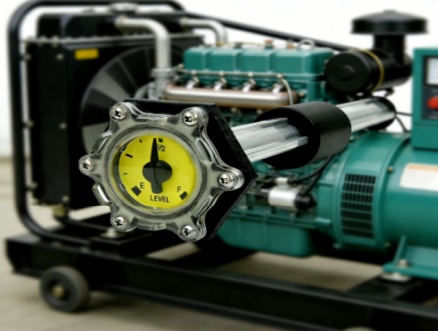
A mechanical water level gauge doesn’t replace good maintenance—but it makes common problems easier to spot.
Small leaks at hose joints, clamps, seals, or tank seams often start gradually. A direct level view makes trend changes easier to catch.
After coolant replacement, air pockets can cause level changes. A gauge helps confirm whether the system stabilizes correctly.
Even with a working temperature sensor, low coolant can reduce heat transfer. Seeing the level provides a simple check before symptoms appear.
In harvest season, many operators want quick confirmation without opening caps or relying on warning lights alone.
Installation location depends on machine design, but common considerations include:
visible access for operators and maintenance staff
protection from direct debris impact
stable mounting surface with minimal vibration stress
compatibility with tank material and wall thickness
Some designs mount the gauge on:
coolant tank side wall
reserve tank body
radiator-related coolant chamber (in certain designs)
Not all gauges are the same. Combine harvesters need components that can handle harsh working conditions.
Temperature tolerance for hot engine environments
Vibration resistance to reduce failure risk
Seal integrity to prevent leakage at the gauge interface
Clear visibility under outdoor light and dust conditions
Material compatibility with coolant and tank materials
Mounting size and fit for the tank design
Selection Factor | Why It Matters in Combine Harvesters |
Vibration durability | reduces looseness and leakage risk |
Seal quality | prevents coolant seepage at the mounting point |
Visibility | supports quick field inspection |
Temperature tolerance | protects performance near engine heat |
Fit and thread standard | ensures stable installation and serviceability |
A mechanical level gauge stays useful when it is kept clean and checked routinely.
Good habits include:
wipe the viewing area during daily inspection
check for residue buildup that blocks visibility
verify mounting area for seepage
confirm level when the engine is cold (for consistent reference)
use correct coolant mixture and keep refill practices consistent
In combine harvesters, cooling system reliability is directly linked to productivity and uptime. A Mechanical Level Gauge provides a simple and dependable way to confirm coolant level in harsh field conditions—especially where dust, vibration, and long working hours make quick checks essential. Mechanical water level gauge applications in combine harvesters commonly support radiator or tank level monitoring, reserve tank reference, and service verification. When selected with the right durability, seal quality, and visibility, the gauge becomes a practical tool that helps operators catch issues early and maintain stable operation throughout the season.
At Dongguan Dalang Aoer Parts Ltd., we provide mechanical water level gauge solutions designed for real agricultural equipment working conditions. If you want to learn more about gauge options, mounting configurations, or selection guidance for your combine harvester applications, you are welcome to contact Dongguan Dalang Aoer Parts Ltd. for more information.
It provides direct visual confirmation of coolant level, helping operators spot low coolant early without relying only on sensors or warning lights.
It is commonly installed on a coolant tank, reserve/expansion tank, or another accessible part of the cooling system where level can be viewed easily.
It usually complements sensors rather than replacing them. Electronic sensors provide alarms, while mechanical gauges provide direct verification during inspection.
Focus on vibration resistance, seal integrity, visibility, temperature tolerance, and correct mounting fit for the tank design


